Psycholytic Ketamine-Assisted Psychotherapy
Healing Beyond Survival
Trauma can leave us feeling stuck in patterns that no longer serve us—anxiety, depression, emotional overwhelm, self-criticism, people-pleasing, relationship struggles, chronic stress, or a persistent sense of disconnection from ourselves.
While traditional talk therapy can be incredibly effective, there are times when insight alone isn't enough to shift deeply rooted patterns held in the nervous system.
Psycholytic Ketamine-Assisted Psychotherapy (KAP) is an emerging approach that combines low-dose ketamine with psychotherapy to help create conditions where healing, self-compassion, and new perspectives may become more accessible.
At Survive 2 Thrive Therapy, ketamine-assisted psychotherapy is offered within a trauma-informed, relational framework that honors your pace, your protective strategies, and your unique healing journey.
What Is Psycholytic Ketamine-Assisted Psychotherapy?
Psycholytic KAP involves the use of low-dose ketamine prescribed by a qualified medical provider while engaging in psychotherapy.
Unlike higher-dose psychedelic experiences that can create profound alterations in consciousness, psycholytic doses are generally designed to help you remain present, engaged, and able to participate in therapeutic exploration while experiencing a gentle shift in perspective.
Many clients describe feeling:
- Less caught in habitual thought patterns
- More connected to emotions that previously felt inaccessible
- Greater self-compassion
- Reduced inner criticism
- Increased openness and curiosity
- A deeper connection to their inner wisdom
The goal is not to escape reality or bypass difficult emotions. Rather, ketamine can create a temporary window of flexibility that allows us to approach experiences from a new place.

How Ketamine May Support Trauma Healing
Trauma often lives not only in our memories, but in our nervous systems, bodies, relationships, beliefs, and protective adaptations.
Many trauma survivors develop highly effective survival strategies or protector parts that helped them navigate difficult experiences. These strategies may have once been necessary, but can sometimes continue long after the original danger has passed.
Ketamine may help soften rigid patterns and create space for:
- Exploring experiences with less fear or overwhelm
- Increasing emotional flexibility
- Strengthening self-compassion
- Accessing deeper insight
- Supporting nervous system regulation
- Integrating previously disconnected experiences
- Enhancing the effectiveness of psychotherapy
Healing is not about getting rid of parts of yourself. It is about understanding them, honoring how they helped you survive, and helping them discover new ways of being.
My Approach to Ketamine-Assisted Psychotherapy
I approach ketamine-assisted psychotherapy through a lens informed by:
- Attachment theory
- Parts work and Internal Family Systems (IFS)-informed therapy
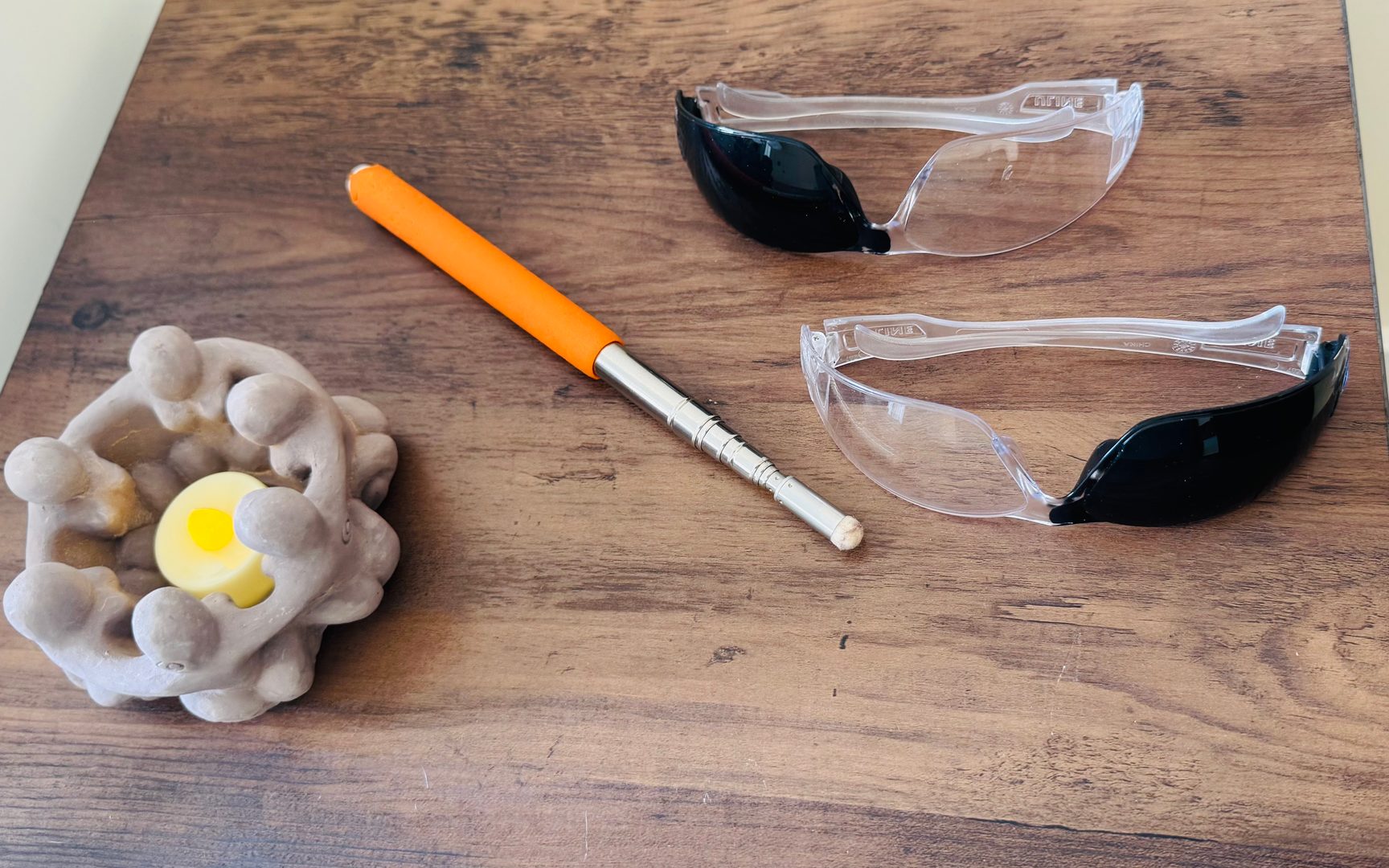
- Somatic and nervous system-based approaches like Brainspotting
- Relational psychotherapy
- Decolonizing and liberatory perspectives on healing
I do not view ketamine as a cure or a quick fix.
Instead, I view it as one tool that can support the therapeutic process when used thoughtfully and intentionally.
The medicine itself does not create healing. Healing emerges through preparation, safety, relationship, meaning-making, and integration.
What Does Treatment Look Like?
Preparation
Before beginning ketamine-assisted sessions, we spend time:
- Establishing intentions
- Clarifying goals
- Exploring your history
- Discussing expectations
- Identifying resources and supports
- Creating a plan for emotional and physical safety
Preparation helps establish a foundation that allows the experience to be meaningful and supportive.
Ketamine-Assisted Sessions
During the ketamine-assisted session, you will take ketamine that has been prescribed by your medical provider.
Throughout the session, we may engage in:
- Mindful awareness
- Somatic exploration
- Brainspotting
- Parts work
- Reflection and processing
- Curiosity toward emerging thoughts, emotions, sensations, and insights
The focus is not on forcing breakthroughs but on creating conditions where meaningful experiences can unfold naturally.
Integration
Integration is often where much of the healing comes together.
Following ketamine-assisted sessions, we work together to explore:
- Insights and experiences
- Emotional shifts
- New perspectives
- Behavioral changes
- Relationship patterns
- Practical ways to bring learning into daily life
Without integration, even powerful experiences can fade. Integration helps transform insight into lasting change.
Who May Benefit?
Ketamine-assisted psychotherapy may be helpful for individuals struggling with:
- Trauma and complex trauma
- Depression
- Anxiety
- Emotional numbness
- Self-criticism and shame
- Burnout
- Life transitions
- Grief and loss
- Relationship challenges
- Feeling stuck despite previous talk therapy
Who May Not Be a Good Candidate?
Ketamine-assisted psychotherapy is not appropriate for everyone.
Certain medical and psychiatric conditions may make ketamine unsafe or require additional evaluation.
All clients must undergo screening and receive ketamine through a qualified prescribing provider before participating in ketamine-assisted psychotherapy.
Frequently Asked Questions
Will I lose control?
Psycholytic ketamine uses lower doses that generally allow clients to remain aware and engaged in the therapeutic process. Experiences vary, but most clients report feeling present and able to communicate throughout the session.
Is ketamine addictive?
Ketamine has been used safely in medical settings for decades. When used under appropriate medical supervision and within a structured therapeutic framework, risks can be carefully managed.
How many sessions will I need?
There is no universal number. Some clients benefit from a small series of sessions, while others incorporate ketamine-assisted work periodically as part of a broader therapy process.
Do I need to already be in therapy?
Not necessarily. We can discuss your goals and determine whether ongoing therapy, ketamine-assisted psychotherapy, or another approach would best support your needs.
A Note About Healing
I believe that healing happens in relationship—with ourselves, our bodies, our histories, our communities, and the people who walk alongside us.
Ketamine-assisted psychotherapy is not about erasing the past. It is about creating new possibilities for how we relate to it.
You do not have to stay stuck in survival mode forever.
Healing is possible.
Ready to Learn More?
If you are curious about whether psycholytic ketamine-assisted psychotherapy may be a good fit for you, I invite you to schedule a consultation.
Together, we can explore your goals, answer your questions, and determine whether this approach aligns with your healing journey.